

Food Guilt in Women: Why It’s So Common and Why It Matters
January 7, 2026
Disordered Eating, Food Guilt, Women's Health
What is food guilt?
Have you ever thought “I was good today” because of what you ate? Or felt the need to make up for eating something? If so, you are not alone.
Food guilt is incredibly common for women. It’s often disguised as being healthy, disciplined or in control, when it can quietly impact both physical health and mental wellbeing significantly.
Food guilt is the feeling of shame, anxiety or self-criticism after eating or at the thought of eating particular foods. It’s when food choices feel tied to worth, willpower or morality.
It often sounds like:
- “I shouldn’t have eaten that.”
- “I’ll be better tomorrow.”
- “I need to earn this.”
Why is good guilt so common for women?
Across puberty, pregnancy, postpartum, perimenopause and menopause, women’s bodies are meant to change. Hormones shift. Appetite, weight distribution, energy needs and body composition naturally fluctuate.
In a culture that equates health with thinness and control, these changes can feel uncomfortable and sometimes ‘wrong’. When the body becomes less predictable, food is often the first thing people try to control.
Throughout the different life stages for a woman, food guilt likely shows up because:
- Puberty brings rapid body changes before many people have the skills to cope with them
- Pregnancy requires increased intake in a culture that praises restriction
- Postpartum recovery happens alongside pressure to “bounce back”
- Perimenopause and menopause can change weight, hunger and metabolism which diet culture frames as problems to fix rather than changes to be supported
Food rules and guilt can temporarily create a sense of control however they often lead to a sense of being out of control in the long run.
Not because you lack discipline and not because you lack motivation.
It’s a predictable response to being taught your body should stay the same, even when biology says otherwise.
Everyday behaviours that feel normal - but aren’t
- Skipping meals to “balance out” eating
- Only allowing certain foods if you’ve exercised
- Labelling foods as good or bad
- Feeling anxious when routines change
- Needing a rule or reason to justify eating
These behaviours sit on the spectrum of disordered eating, even if they don’t meet criteria for an eating disorder.
Why food guilt matters:
Food guilt can:
- Drive binge–restrict cycles
- Lower mood and increase stress
- Reduce social connection
- Worsen body image
- Take the joy out of eating
- Take up mental space that could be used for what matters to you
If this resonates, please know:
Food guilt is learned, which means it can be unlearned.
At Flora Health, we support women to break free from restrictive food rules, reduce guilt around eating, and rebuild trust with their bodies across all life stages. Our approach focuses on clarity, compassion and sustainable change, not perfection.
If you are curious about what support could look like for you, we offer a free 15-minute discovery call. We would love to meet you and see if we are the right fit.


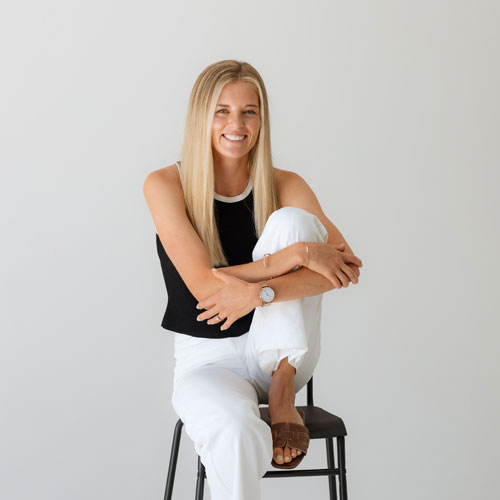
Pip Whitehouse
Pip Whitehouse is an Accredited Practising Dietitian and Credentialed Eating Disorder Clinician. She specialises in eating disorders and disordered eating, and writes about recovery-focused nutrition, building a healthier relationship with food, and evidence-based approaches to eating disorder care for children, adolescents, adults, and families.
Share on socials
About Us
Flora Health, co-founded by Accredited Practising Dietitians Laura Otton and Pip Whitehouse, is a Newcastle-based clinic providing evidence-based nutrition care for women, children, families, and those recovering from eating disorders.
Book a Free Discovery Call
Ready to get started? Book a free call with our team to talk through your current nutrition concerns, explore which consultation is right for you, and see how Flora Health can support your journey.